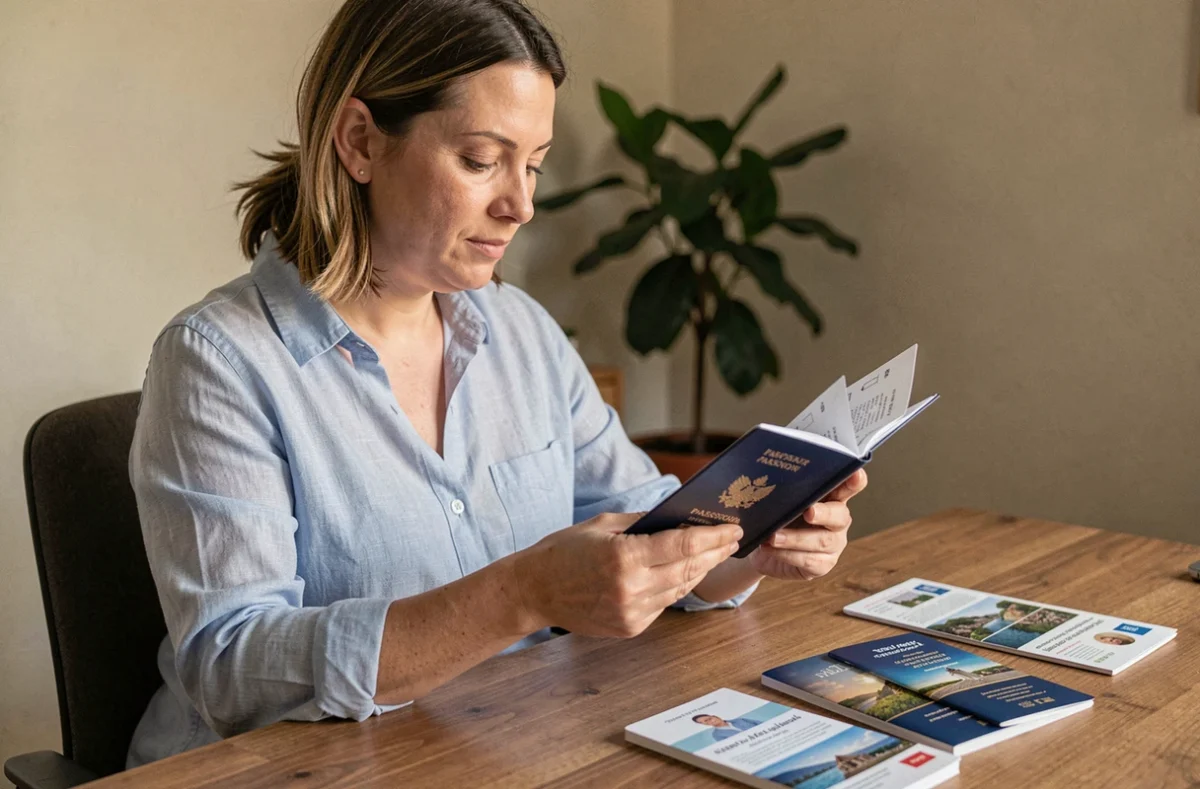
A passport contains several dozen pages, but not all of them serve the same purpose in case of loss or theft abroad. Knowing which pages to photocopy before a trip allows for the quick provision of information that a consulate needs to verify identity and issue a replacement document. It is also essential to understand what each page contains and why it matters.
MRZ Zone and Biometric Data: What a Consular Officer Really Reads
The most frequently cited page is the one that bears the photo and personal information. It is usually found at the beginning or end of the booklet depending on the passport model. Beyond the name, first name, and date of birth, this page includes the machine-readable zone (MRZ), consisting of two lines of alphanumeric characters at the bottom of the page.
This MRZ zone is the first element checked by agents at borders and by consular services. It encodes the document number, nationality, expiration date, and a control code. Without it, the copy loses much of its practical value.
This is why the photocopy must be readable and not cropped. A blurry or cropped image that cuts off the MRZ forces the consulate to verify the information through other means, which slows down the process. For those wondering which page to photocopy from the passport, the answer always starts with this double identity page, MRZ included.
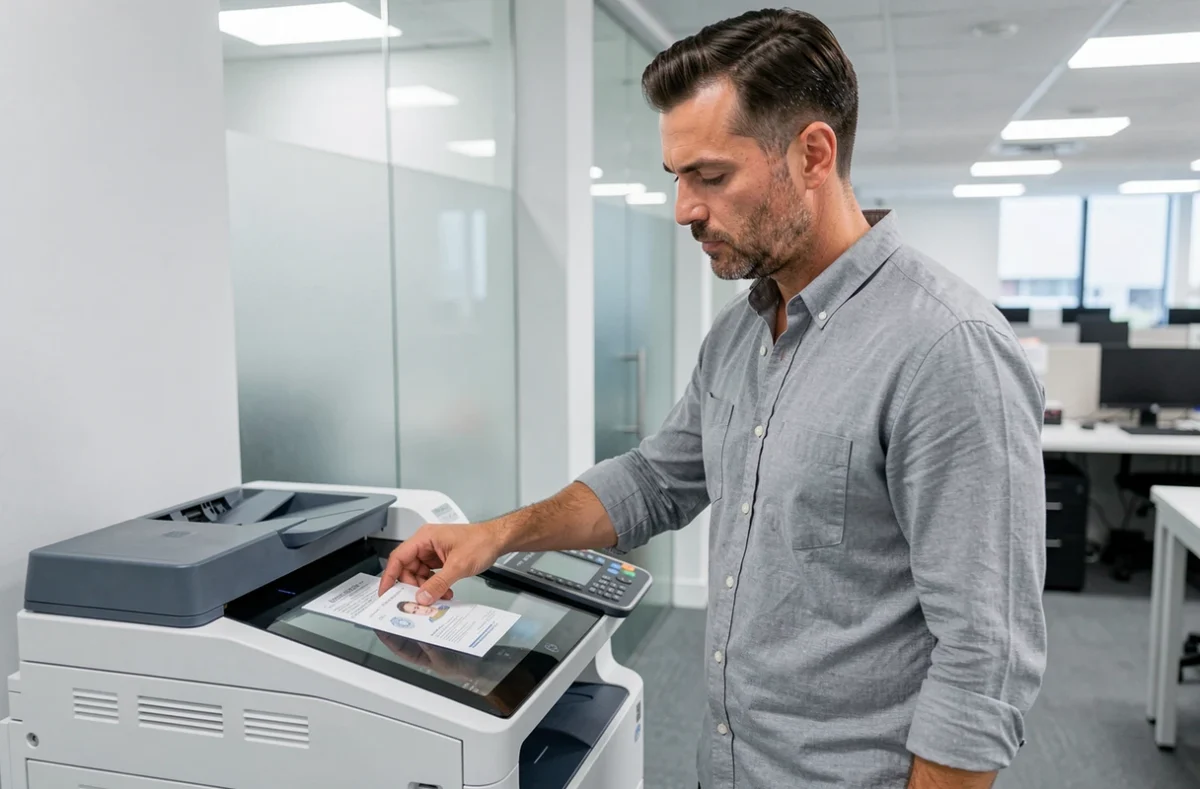
Visa Pages and Entry Stamps: When Photocopying Changes the Game
The identity page is not sufficient in all cases. When a trip involves a visa affixed in the passport, photocopying the corresponding page provides proof of the right to stay in the concerned country. In case of theft of the document, this copy helps the consulate and local authorities understand the traveler’s administrative situation.
Entry and exit stamps also deserve a copy, especially in countries that enforce strict tracking of stay durations. An entry stamp proves the date of arrival and can prevent complications if the traveler needs to justify their legal presence in the territory after the passport goes missing.
Which Pages to Copy Depending on the Destination
- The double identity page with photo and MRZ is necessary regardless of the country visited, as it is the basis for any consular verification.
- The page bearing a valid visa must be copied for any stay in a country requiring this type of authorization (some countries in Asia, Africa, or the Middle East).
- The pages of entry stamps are useful in countries that count the days of presence (Thailand, Indonesia, United States with the I-94 form).
- The page mentioning the passport number and expiration date, if it differs from the identity page in some older models.
For travelers transiting through multiple countries on the same itinerary, photocopying all used pages before each new leg remains the most comprehensive precaution.
Paper Copy or Digital Copy: Privacy Risks to Be Aware Of
Many guides recommend digitizing the identity page and storing it in an online service. The reflex is logical: in case of theft of the bag containing the passport and its paper photocopy, the digital file remains accessible. The limitation of this approach concerns data security.
A complete image of the passport contains directly reusable data: civil status, document number, date of birth, and MRZ zone. Stored in an unsecured messaging service, on a shared device, or in a cloud service with poorly protected access, this copy becomes a target in case of hacking or loss of the phone.
Three precautions reduce this risk without giving up the advantages of digital:
- Store the file in a password manager or encrypted digital vault, rather than in the photo gallery or as an email attachment.
- Protect the file with a distinct password if the format allows (protected PDF).
- Delete the copy from devices once the trip is over, to limit the exposure duration of the data.
Keeping a paper photocopy, stored separately from the passport (in another bag or with a travel companion), remains a simple solution that does not depend on an internet connection or a battery.

Consular Contact Information: The Supplement That a Photocopy Alone Cannot Replace
A passport copy speeds up procedures, but it does not replace the original document for crossing a border. In case of loss or theft abroad, the traveler must obtain an appropriate consular document, temporary passport or laissez-passer, after reporting to local authorities.
The speed of this procedure partly depends on the competent consulate. Some operate by appointment only, with distinct slots for document requests, pickups, and emergencies. Having noted in advance the phone number, address, and hours of the consulate in the destination country helps avoid wasting time searching for this information in a moment of stress.
The website of the Ministry of Foreign Affairs publishes the contact information for each French embassy and consulate abroad. Printing this sheet in addition to the photocopy of the passport is a simple reflex that saves precious time on the day the document goes missing.
The photocopy of the passport is only valuable if it is readable, complete, and accessible at the critical moment. Choosing the right pages, protecting the digital copy, and anticipating consular contact turn an ordinary gesture into a real safety net for any trip abroad.