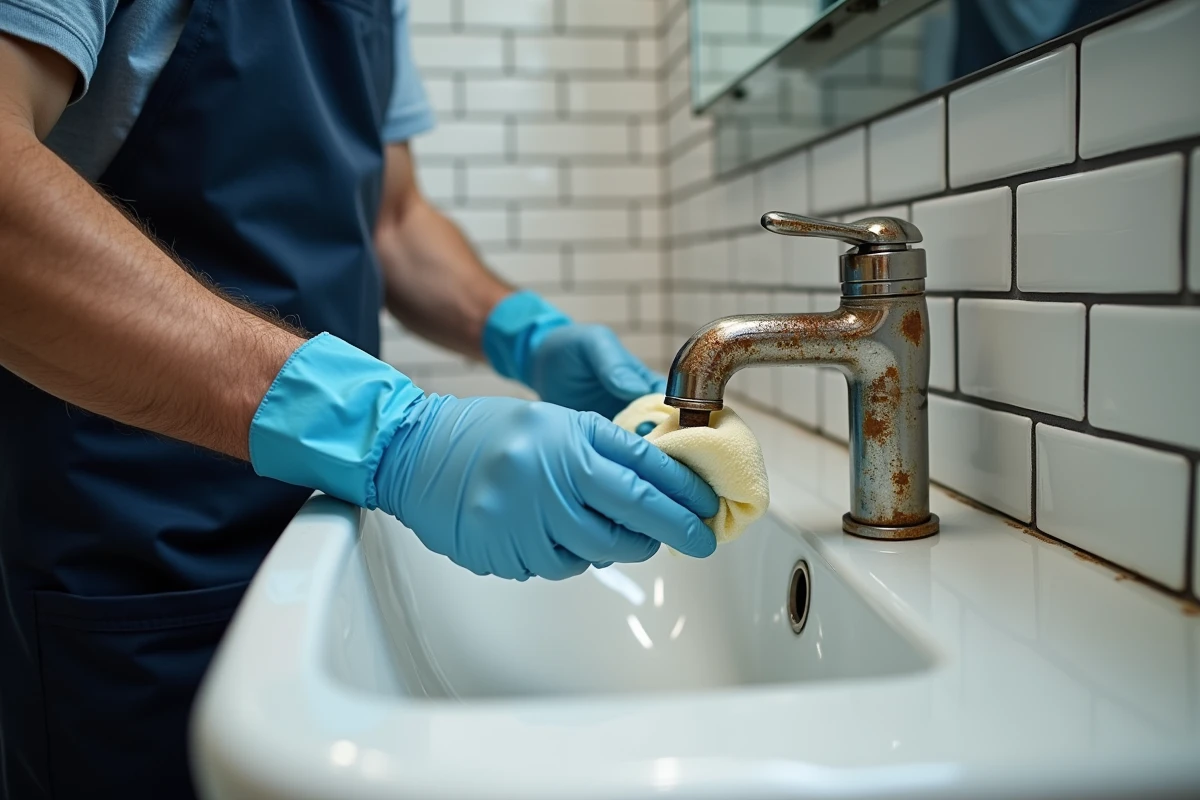
A bathroom faucet that is rusting, a bar stool leg turning orange, vintage bike rims losing their shine: on chrome metal, rust does not settle on the chrome itself but on the micro-cracks of the protective layer.
Removing rust from chrome therefore requires appropriate techniques, less aggressive than on raw steel, lest you destroy the fine layer of nickel and chrome that gives the piece its shine.
Why chrome rusts and when simple cleaning is no longer enough
Modern decorative chrome plating is significantly thinner than that of older pieces. On a shower bar or a recent motorcycle accessory, the chrome layer does not tolerate coarse abrasives or concentrated acids.
When you see rust spots reappearing a few weeks after cleaning, it is a sign of advanced underlying corrosion beneath the chrome plating. At this stage, rust removal remains purely aesthetic: only a complete stripping followed by professional re-chroming will provide a lasting result. Before reaching that point, it is better to intervene early, using the right methods.
There are also several decorating tips on Déco Maison that detail this logic of early intervention on chrome objects in the home.
Aluminum foil and water: the gentlest method for removing rust from chrome
This is the technique to try first on light surface rust. Cut a piece of household aluminum foil, dip it in water (cold is sufficient), then gently rub the rusted area in circular motions.
Aluminum is softer than chrome. It does not scratch the surface, but its chemical reaction upon contact with iron oxide lifts the rust. You get a grayish paste that can then be wiped away with a soft cloth.
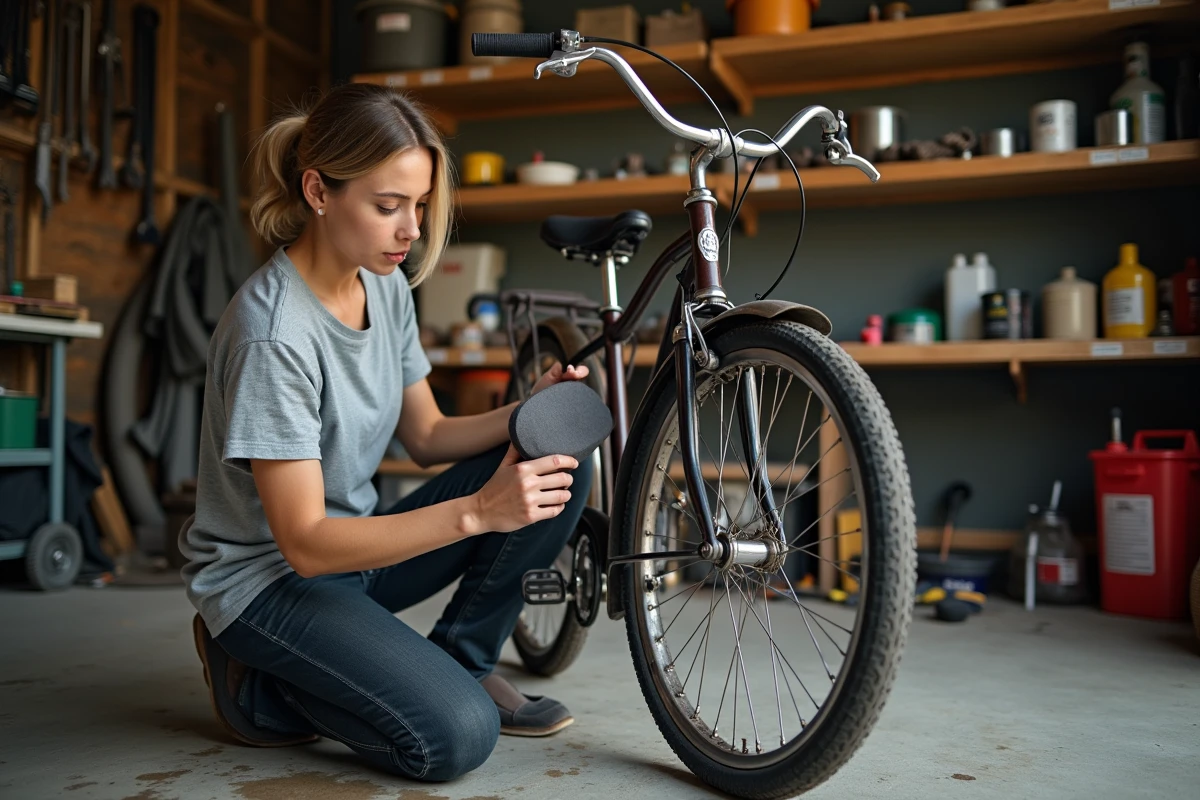
This method works well on faucets, furniture legs, and small decorative pieces. However, for rust that has been present for several months or on vertical surfaces where corrosion has penetrated deeply, you will need to move on to the following methods.
White vinegar and baking soda on chrome metal: dosage and precautions
White vinegar is a mild acid that dissolves iron oxide without attacking the chrome, provided you do not let it soak for more than an hour. Soak a cloth in pure white vinegar, apply it to the rusted area, and let it sit for about fifteen minutes before rubbing with a clean cloth.
For more stubborn stains, prepare a paste by mixing baking soda with a few drops of water until you achieve a thick consistency. Apply this paste to the rust, let it sit for ten minutes, then gently rub. Baking soda acts as a very fine abrasive, much less aggressive than steel wool.
One point to remember:
- Do not combine vinegar and baking soda on the surface at the same time. The reaction foams a lot but neutralizes both products, reducing their actual effectiveness.
- Always rinse with clear water after treatment and dry immediately with a dry cloth to prevent residual moisture from restarting oxidation.
- On very fine chrome (recent accessory, designer handle), test first on a less visible area.
Lemon juice and fine salt: targeted treatment for small rusted areas
This combination works like a natural micro-stripping agent. Sprinkle a pinch of fine salt on the rust spot, squeeze lemon juice over it, and let it sit for a few minutes. The salt acts as a mild abrasive while the citric acid from the lemon dissolves the rust.
Then rub with a damp cloth in circular motions. This method is particularly suitable for small surfaces (doorknobs, curtain rod ends, bike accessories) where applying a liquid product with a cloth would be too imprecise.
Rinse and dry the piece immediately afterward. Even mild citric acid can tarnish chrome if it remains in prolonged contact.
Rust remover gel without strong acid: when natural methods are not enough
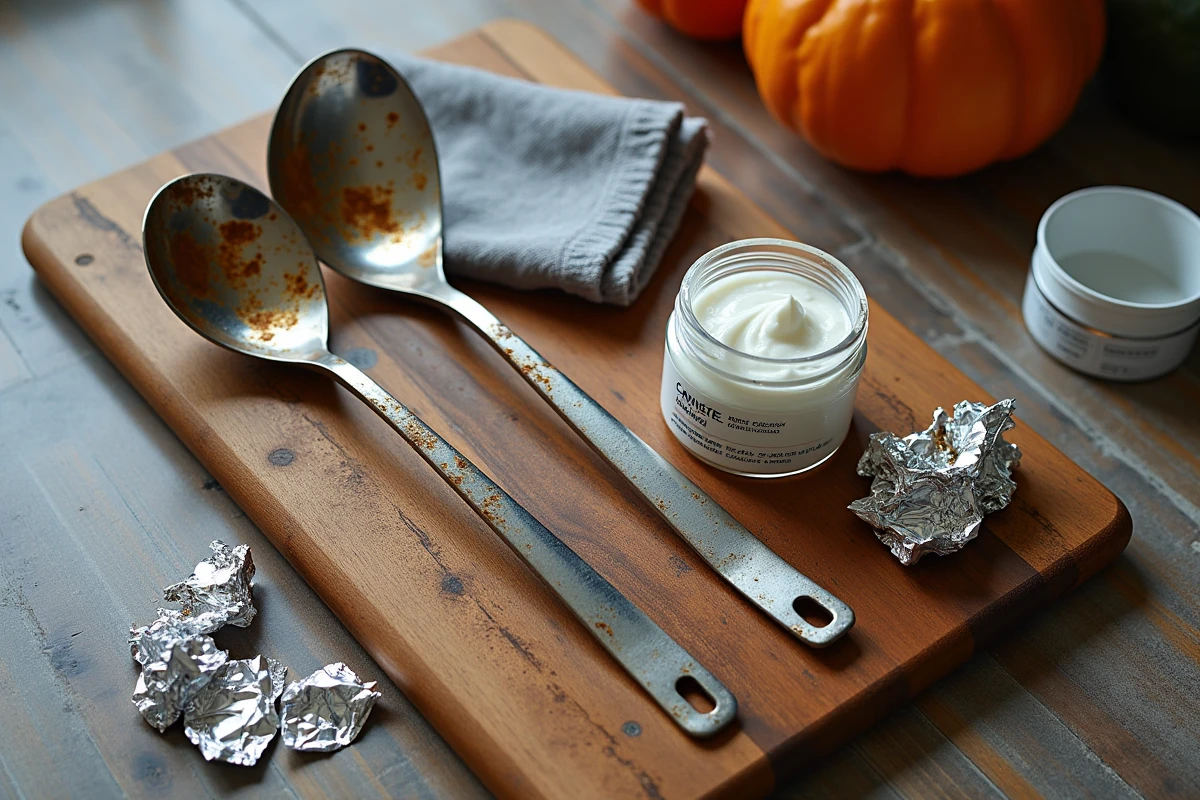
When rust resists home treatments, rust remover gels formulated for chrome take over. Since regulatory restrictions related to the REACH regulation in the EU, which increasingly limit the use of hexavalent chrome and strong acids, manufacturers have reformulated their products. There are now rust remover gels without strong acid or chrome VI, designed to stay in place on vertical surfaces without running onto joints or adjacent materials.
The advantage of gel over liquid: it adheres to shower bars, chrome furniture legs, or high surfaces, and works through prolonged contact without needing to hold a cloth in place.
Feedback varies on this point, but most gels require a contact time of a few minutes to half an hour depending on the thickness of the rust. Rinse thoroughly with water and dry with a cloth afterward.
Protecting chrome after rust removal to prevent rust from returning
Removing rust without protecting the surface means starting over every few months. Once the piece is clean and dry, apply a thin layer of protective wax for chrome or a suitable sealing product. This barrier limits contact between ambient moisture and the micro-defects of the chrome plating.
- Store chrome objects in a dry environment. A poorly ventilated bathroom or a damp garage accelerates corrosion.
- Wipe off water splashes on faucets after each use, especially in hard water areas.
- Regularly inspect chrome pieces: a rust spot treated early can be cleaned in seconds, while established corrosion requires re-chroming.
Chrome remains a surface coating, not armor. The thinner the layer (and it is getting thinner on current decorative objects), the more preventive maintenance matters. A dry cloth after each contact with water, wax applied two to three times a year on exposed pieces, and the five methods described here to intervene at the first signs: this is the minimum to keep chrome clean over time.