The acquisition of a quality water tank is becoming a priority for many households, concerned about their consumption and the preservation of natural resources. Several criteria allow for an informed choice. The capacity of the tank must correspond to the water needs of the home, whether for garden watering or domestic use.
The material of construction plays a fundamental role. Options like polyethylene, fiberglass, or stainless steel each offer advantages in terms of durability and resistance. The ease of installation and maintenance of the tank should be taken into account to ensure optimal use in the long term.
The technical criteria for choosing a quality water tank
To choose a water tank of quality, several technical criteria must be considered. The first variable is the volume in liters, determined by the use you will make of it. Whether you opt for a rainwater harvesting tank for the garden, irrigation, or domestic use, the capacity must meet your specific needs.
Materials and types of tanks
The materials used for construction are also crucial. Several options are available to you:
- Polyethylene: lightweight and durable.
- Concrete: robust and long-lasting.
- Fiberglass: ideal for a long lifespan.
- HDPE: high density for better chemical resistance.
Tanks can be buried or above ground, each type having its advantages. Buried tanks are discreet and protect the water from temperature variations. Above ground tanks are easier to install and maintain.
Shapes and models
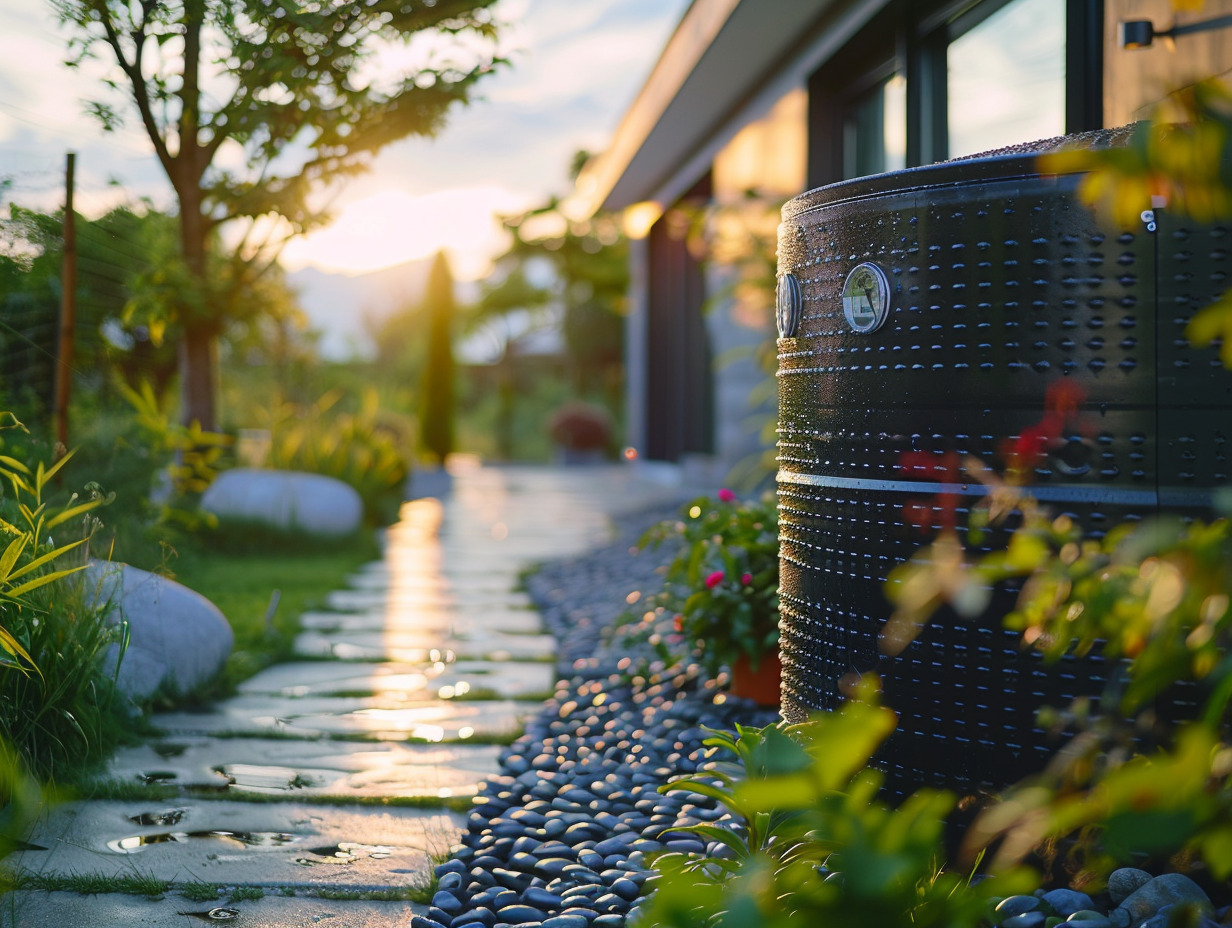
The shape of the tank is another criterion not to be overlooked. Horizontal and vertical models are common, each offering advantages in terms of space and capacity. SLIM tanks are appreciated for their minimal footprint. For example, the 1000L Above Ground Vertical Slim Water Tank is ideal for small spaces, while the 5000L Above Ground Horizontal Water Tank offers greater storage capacity.
For a comprehensive approach, the Cuve-Expert water tank offers a varied range that meets all these technical criteria. Consider these elements to make an informed choice that suits your needs.
The practical and economic aspects to consider
The practical aspect of installing a water tank lies in the diversity of its uses. Whether for watering gardens, irrigating crops, watering livestock, washing cars, or cleaning agricultural machinery, the rainwater harvesting tank proves to be versatile. It can also supply the toilet flush, significantly reducing the consumption of drinking water.
From an economic perspective, the rainwater harvesting tank helps lower the water bill. By collecting rainwater, you decrease your dependence on public networks and benefit from a free resource. The initial installation cost is quickly offset by the savings made in the long term.
Costs and subsidies
The acquisition and installation costs vary depending on the type and capacity of the tank. An above ground tank is generally less expensive than a buried tank, but the latter offers better protection against temperature variations and UV rays. In France, some local authorities offer subsidies for the installation of rainwater harvesting systems, thus reducing the initial cost.
Maintenance and durability
Regular maintenance of the tank is essential to ensure its durability. Annual cleaning is recommended to prevent the accumulation of debris and sediments. Materials like polyethylene and concrete offer increased durability, while fiberglass and HDPE tanks require less maintenance due to their resistance to chemicals and UV rays.
In conclusion, the rainwater harvesting tank represents a wise investment, both practical and economical, allowing for optimal use of natural resources.