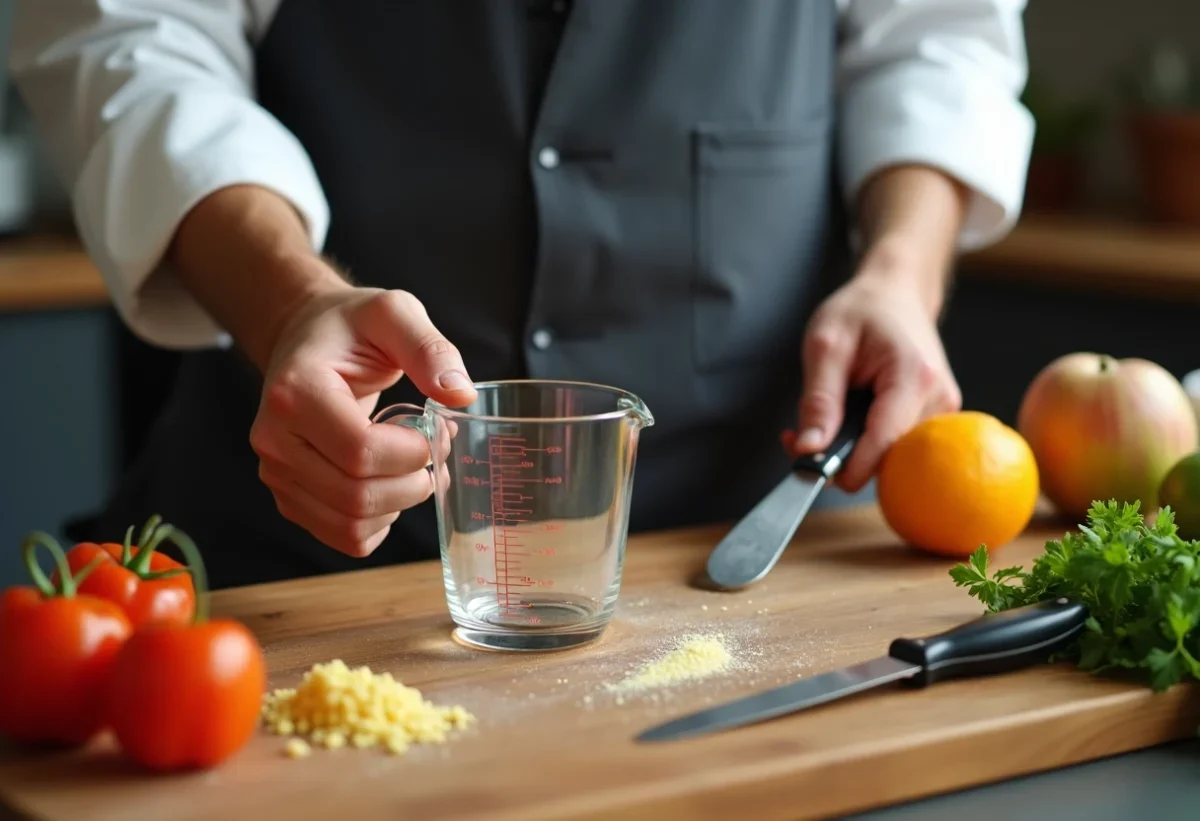
In cooking, it is common to juggle different units of measurement, which can sometimes complicate recipe preparation. For those who love to cook, knowing how to convert liters to milliliters and vice versa is essential. This skill allows for precise adherence to recipes, which is fundamental for achieving successful results.
One liter is equivalent to 1000 milliliters. To convert liters to milliliters, simply multiply by 1000. For example, 0.5 liters corresponds to 500 milliliters. Conversely, to convert milliliters to liters, you need to divide by 1000. Thus, 250 milliliters is equivalent to 0.25 liters. With a little practice, these conversions become child’s play.
Understanding Liquid Measurement Units in Cooking
In cooking, mastering liquid measurement units is essential for successfully executing a recipe. Recipes often use terms like liter, milliliter, teaspoon, tablespoon, or medium glass. Each unit has its own conversion, and you need to understand them.
- Teaspoon: 5 ml
- Tablespoon: 15 ml
- Tea cup: 200 ml
- Medium glass: 200 ml
- Coffee cup: 100 ml
- Wine glass: 100 ml
- Medium bowl: 250 ml
- Large bowl: 500 ml
Take a concrete example to illustrate these conversions. If a recipe calls for 400 ml in l, divide by 1000: 400 ml thus equals 0.4 liters. The key is to know these conversions by heart or to have a conversion chart handy.
Using the Right Utensils
Cooking uses various utensils to measure liquids. Teaspoons and tablespoons are commonly used for small quantities, while cups and glasses are better suited for larger volumes. Having these utensils allows for precise measurement:
- Tablespoon: ideal for sauces and dressings
- Tea cup: perfect for liquids like milk or water
- Medium glass: often used for beverages
Follow these tips and use the right utensils to ensure the success of your recipes. 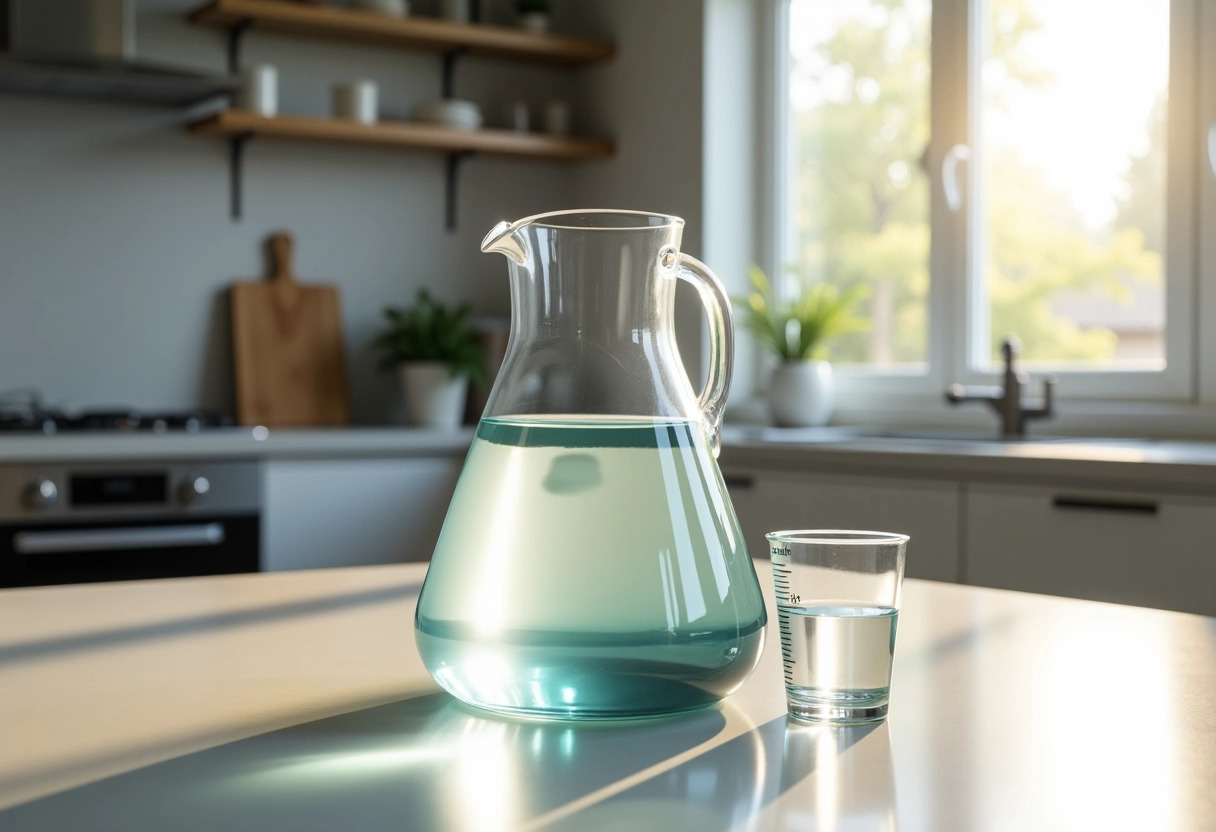
Techniques and Tips for Easily Converting Liquid Measurements
Converting liquid measurements can be complex without the right tools and tips. Use conversion charts and dedicated mobile apps to facilitate this process. These tools allow for quick conversion of volumes from milliliters to liters and vice versa.
| Unit | Volume |
|---|---|
| 1 teaspoon | 5 ml |
| 1 tablespoon | 15 ml |
| 1 tea cup | 200 ml |
Use a measuring cup graduated for measuring larger volumes. The measuring cup is an indispensable tool. It displays graduations in milliliters and liters, allowing for direct and precise conversion.
Practical Techniques
For small quantities, teaspoons and tablespoons are your allies. Here are some tips:
- To convert milliliters to liters, divide by 1000. For example, 250 ml equals 0.25 liters.
- To convert liters to milliliters, multiply by 1000. For example, 0.5 liters equals 500 ml.
Employ these techniques to ensure optimal precision in your recipes. Converting measurement units in cooking is fundamental for successfully preparing your dishes.