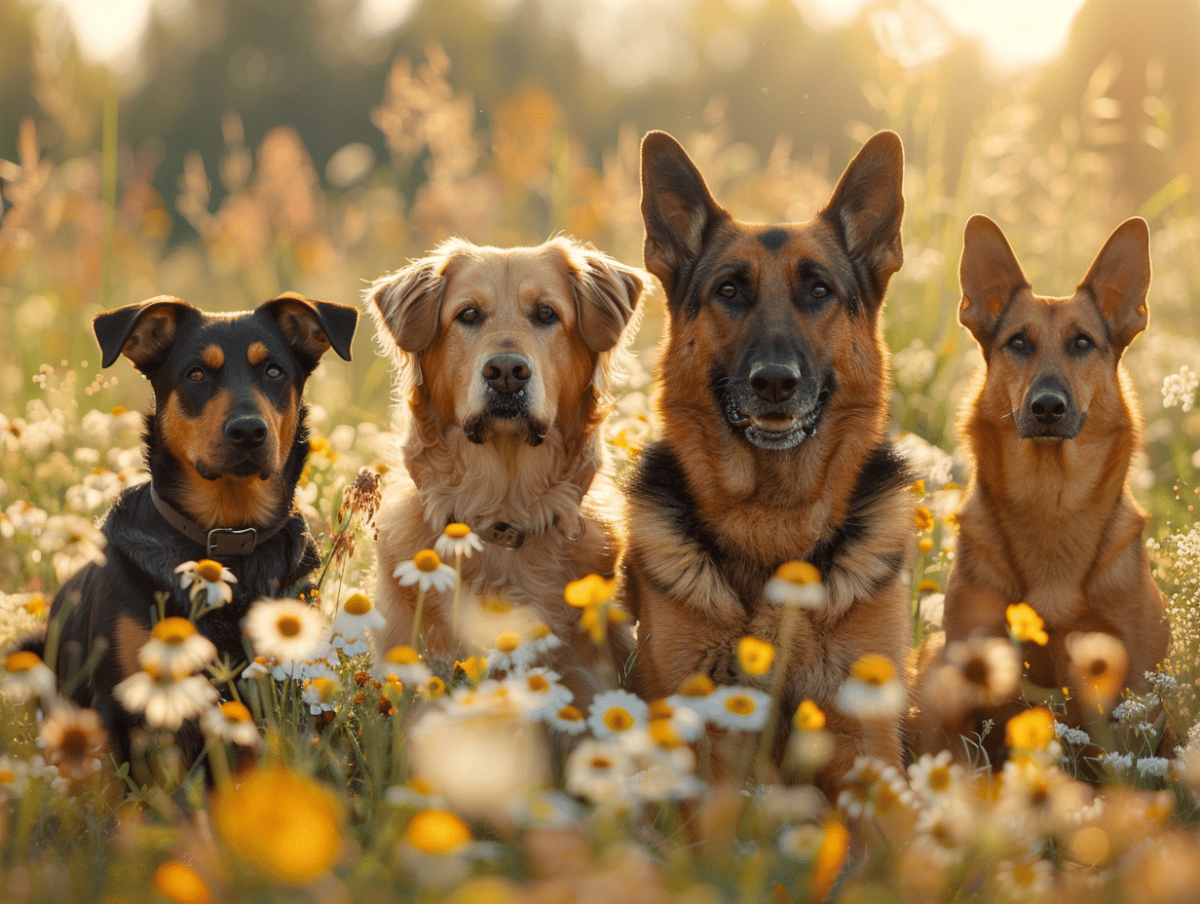
Germany is recognized for its rich canine heritage, having given birth to a mosaic of breeds with unique abilities and characteristics. From the robust German Shepherd to the delicate Dachshund, each variety carries within it a legacy of specific traits, shaped by centuries of targeted breeding. Given the vast diversity of German dogs, prospective owners and breeders must rigorously inform themselves about the particular needs of each breed. Understanding their temperament, exercise needs, and health are major aspects to ensure a harmonious and fulfilling life for these four-legged companions.
German dog breeds and their specifics
In the canine pantheon, the German Shepherd reigns with poise. This breed, developed by Max Emil Frédéric von Stephanitz with the support of Arthur Meyer, embodies intelligence, courage, protection, and vigilance. Initially used as a herding dog, its role has diversified over time, positioning it as a military dog, search and rescue dog, and even as a guide dog for the blind. Its ability to adapt to various functions makes it an exemplary working dog, whose reputation was solidified during World War I.
The German Shepherd breed is characterized by an imposing stature, with a height at the withers that gives it a noble and athletic silhouette. The standards defined by the Canadian Kennel Club (CKC) highlight the necessity of a harmonious physical structure, allowing the dog to effectively fulfill its functions. Among the less common variants, the blue German shepherd stands out with its uniquely colored coat, attracting attention while sparking the interest of connoisseurs.
Beyond the German Shepherd, the Great Dane impresses with its majestic stature. This giant among dogs is distinguished not only by its size but also by its gentle temperament, making it suitable as a family dog. Its presence, although imposing, hides a tender heart and a benevolent nature, requiring ample space for its flourishing.
In a different register, the German Pointer excels in the art of hunting, particularly renowned as a pointing dog. Its short coat and sleek appearance make it an ideal companion for outdoor activities. This medium-sized dog requires regular training and special attention to its education to channel its energy and develop its hunting skills.
Tips for breeding and caring for German dog breeds
Breeding German dog breeds, such as the German Shepherd and the German Pointer, requires sustained attention to details that ensure their well-being and meet their specific needs. The Orthopedic Foundation for Animals (OFA) emphasizes the vigilance necessary regarding hip or elbow dysplasia issues, particularly prevalent in large dogs. Therefore, plan for regular examinations to detect these conditions early and ensure a proactive approach to the orthopedic health of your animals.
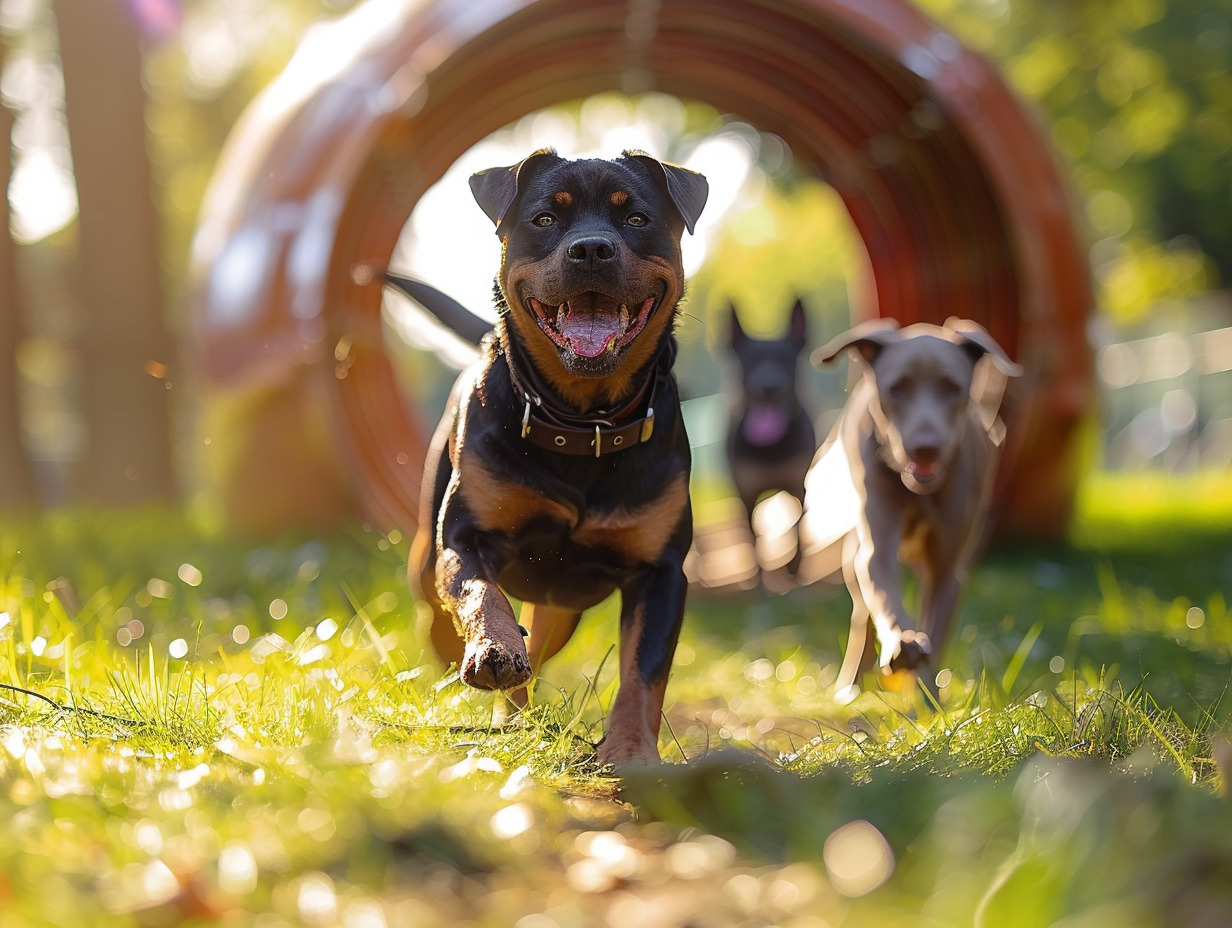
For the German Shepherd, socialization from a young age remains fundamental. This breed, endowed with a protective and vigilant temperament, requires a stable environment and varied interactions to develop a balanced character. Education must be consistent, firm yet fair, and always positive, to encourage obedience and mutual respect. Mental and physical stimulation, through games, training sessions, and activities such as agility, is essential to channel their energy and refine their natural intelligence.
As for the German Pointer, the quintessential pointing dog, the emphasis is on specialized training for hunting. This breed requires an experienced owner who understands the subtleties of hunting training. Patience and perseverance are essential to develop its natural skills. German Pointers, with their short coat, require less grooming than long-haired breeds, but do not neglect their care: a balanced diet, regular veterinary check-ups, and exercises suited to their medium size and energy level.
For all German dog breeds, the importance of a balanced diet tailored to their age, size, and activity level remains a priority. Consult a veterinarian to develop a personalized nutritional plan. The living space must be sufficient to allow these often large dogs to move freely. Prevention also involves educating the public and raising awareness among owners who must understand the long-term commitments involved in breeding a pure breed, along with the specificities that this entails.