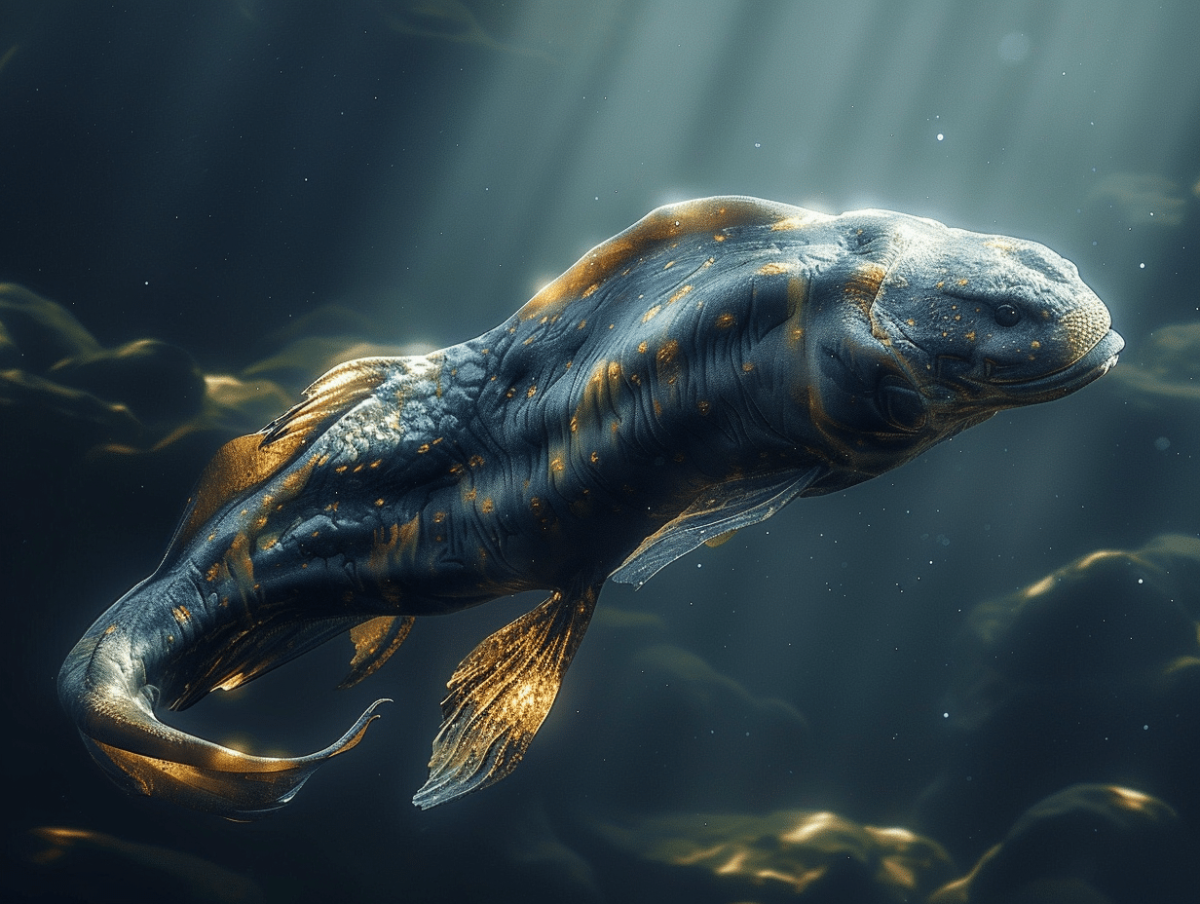
The depths of the rainforest and the oceanic abyss harbor fascinating creatures, often shrouded in mystery. Away from prying eyes, these surprising species sometimes defy imagination with their unique characteristics and astonishing behaviors.
Among these wonders, some stand out due to incredible adaptations, such as the deep-sea fish with a transparent jaw or the tardigrade, a microscopic being capable of surviving in extreme conditions. These discoveries remind us of how rich biodiversity is and how much there is still to learn about our planet.
fascinating creatures: a journey into the heart of the animal kingdom
Among the lesser-known creatures of the animal world, some stand out for their remarkable adaptations and unique appearance. The naked mole rat, for example, intrigues scientists with its immunity to cancer. Resembling a large mouse, it lives in the arid regions of Ethiopia and the southern Sahara. Its atrophied eyes are compensated by developed hearing and smell, while its prominent incisors and translucent pink skin give it a unique appearance.
- In the abyss, the macropinna microstoma fascinates with its transparent head, revealing astonishing internal elements. Living at depths of 500 to 1,000 meters, this creature is also distinguished by its barrel-shaped eyes and its cranial cavity filled with transparent gel.
- Another inhabitant of the depths, the grimpoteuthis, a umbrella octopus, uses its ear-shaped fins to move and can change color to escape predators such as tuna and sharks.
In Colombia, the starry night harlequin frog, with its black skin speckled with white spots, is a striking example of aposematism. This defense mechanism warns predators of its toxicity, as it secretes venom under its skin when threatened. Less known, the star-nosed mole, a resident of North America, has 22 pink epidermal appendages that allow it to touch 10 to 13 different spots per second. This exceptional sensory ability helps it detect smells underwater.
- In the marine depths, the yeti crab, also known as Kiwa tyleri, lives in colonies near natural vents. Blind and covered in hair on its claws and legs, it withstands extraordinary pressures.
- Not far from it, the sea pig stands out with its ventral suckers and retractable dorsal papillae. Pink in color and living at depths of 6,000 to 9,500 meters, it primarily feeds on the bacterial biofilm present in the upper layer of sediment.
The glaucus atlanticus, a pelagic sea slug with blue and white colors, feeds on hydrozoans and can wash up on beaches. Its beauty conceals a capacity to use the toxins of its prey for defense. These examples, among many others, illustrate the fascinating diversity and resilience of species facing the challenges of their environment. Among these creatures, the mysterious Bogmoule, still little studied, could hold more surprises for researchers.
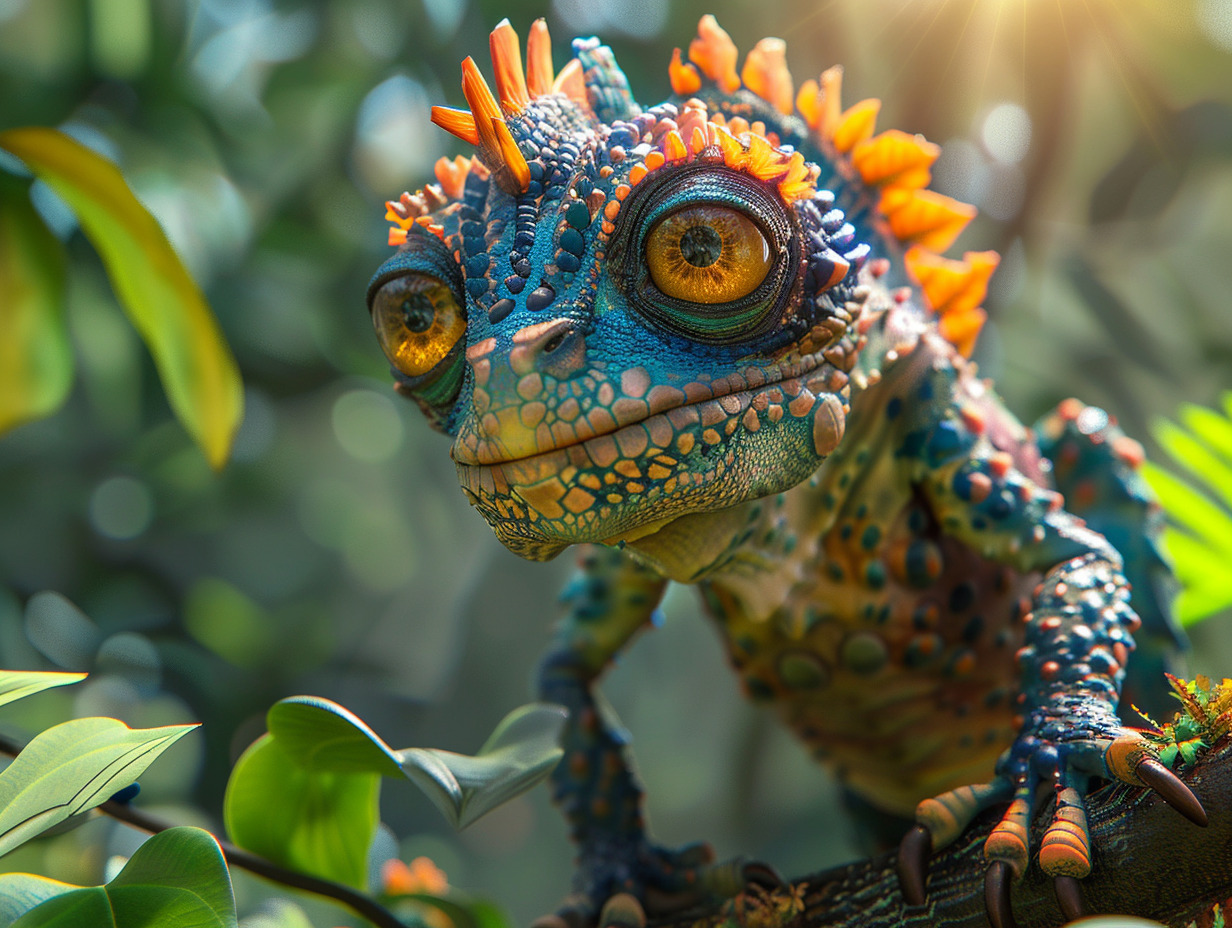
extraordinary adaptations: surviving in extreme environments
The adaptations of species to survive in hostile environments are often spectacular. The naked mole rat, whose translucent skin and prominent incisors allow it to burrow in the arid soils of Ethiopia, also possesses a cancer immunity that intrigues scientists. Its atrophied eyes are compensated by developed senses, notably hearing and smell.
- In the abyss, the macropinna microstoma is a striking example. Its transparent head, revealing a cranial cavity filled with gel, and its barrel-shaped eyes are major adaptations for survival at depths of 500 to 1,000 meters.
- Similarly, the grimpoteuthis, an umbrella octopus, uses its ear-shaped fins to navigate and its skin veil to camouflage itself, thus escaping predators like tuna and sharks.
In Colombia, the starry night harlequin frog stands out with its white spots on black skin, an aposematism mechanism warning of its toxicity. This frog, measuring less than 5 cm, secretes a powerful venom under its skin when threatened. The star-nosed mole, with its 22 epidermal appendages, can detect smells underwater and touch up to 13 different spots per second.
- In the marine depths, the yeti crab, living in colonies near natural vents, withstands extreme pressures. Blind and covered in hair, it is perfectly adapted to very specific living conditions.
- The sea pig, with its suckers and retractable dorsal papillae, feeds on the bacterial biofilm present in marine sediments, at dizzying depths of 6,000 to 9,500 meters.