Thousands of people seek help each year for stubborn pain, diffuse discomfort, or what conventional medicine struggles to name. Faced with this feeling of therapeutic emptiness, somatopathy enters the scene, sparking interest and intrigue. But behind the reassuring facade of a gentle method, the markers waver: unclear legal framework, absent scientific validation, promises piling up without always convincing health authorities. The alert, discreet but real, hangs over these practices that claim alternative paths to health.
Understanding Osteopathy and Somatopathy: Origins, Principles, and Differences
Osteopathy has established itself by emphasizing the overall mobility of the body and a search for physical balance. This principle has led to the emergence of new methods, including somatopathy, which stems from the original work of Maurice-Raymond Poyet. This physiotherapist turned osteopath developed an approach centered on the Primary Respiratory Movement (PRM), where each session aims to release bodily blockages while maintaining an extremely gentle approach.
Pierre-Camille Vernet, a student of Poyet, extends the reflection by integrating the emotional dimension: for him, every psychic shock leaves a mark on the body. Somatopathy then attempts to harmonize the body and mind without strong manipulation, through discreet and meticulous gestures. It thus distances itself from classical osteopathy, favoring a holistic view of the patient, linking each symptom to a lived experience.
The distinction with somatotherapy deserves to be highlighted: the former involves manual techniques, while the latter pertains to psychocorporal support without physical manipulation. This nuance changes everything, including the scope of intervention and the audiences concerned.
While the method is gaining popularity among so-called gentle medicines, the debate remains lively about the risks of somatopathy: in a poorly defined universe, the lack of scientific validation and regulatory ambiguity disrupt the markers. Taking the time to consult independent resources and adopting a critical stance remains a necessary precaution.
What are the potential health risks of somatopathy?
It is impossible to assert that somatopathy exposes individuals to major dangers, but certain reactions deserve attention. The image of a method that is completely risk-free does not always reflect reality. After a session, some people describe significant fatigue, sometimes more persistent than usual, or even heightened bodily receptivity: the body seems raw, and reactions intensify temporarily.
There is also the brief reappearance of previously forgotten pains. According to somatopaths, this could be explained by the gradual release of blockages stored in bodily memory. However, this phase can be uncomfortable in daily life, even if it generally lasts only a few days.
To better understand the effects reported after a session, here is what people most frequently report:
- Fatigue after the session: regularly reported, sometimes marked and prolonged.
- “Sensitive skin” effect: an exacerbated sensitivity, with the body seeming to react to everything, lasting for a few hours or days.
- Returning pains: old sensations briefly resurfacing before gradually fading away.
Whenever unusual symptoms persist, it is imperative to seek medical advice. This point is not trivial: somatopathy cannot in any way replace care from a healthcare professional. The line between alternative support and medical act must remain clear to avoid any drift or complications.
Choosing Your Osteopath Wisely: Tips for a Regulated and Safe Practice
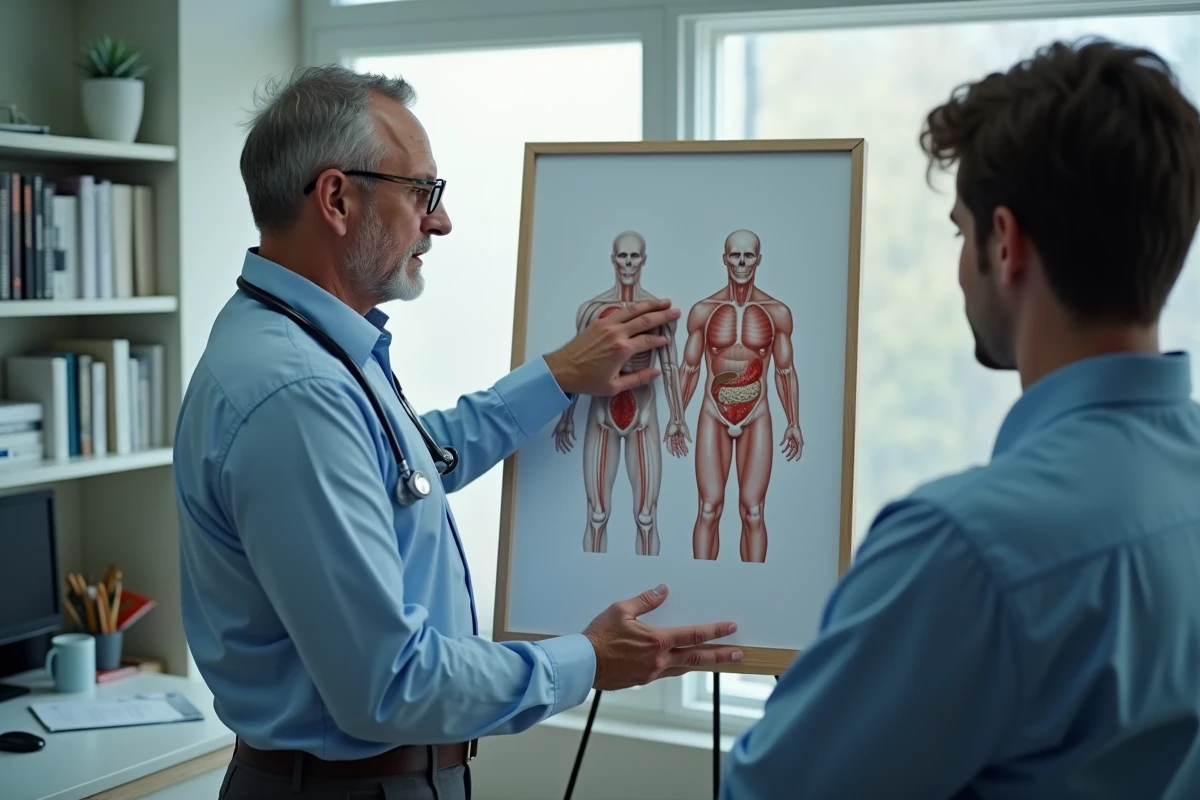
Selecting an osteopath cannot be reduced to affinity or good word-of-mouth. The title of osteopath in France implies serious training validated by the State, with mandatory registration with the Regional Health Agency. This point guarantees mastery of techniques and formal recognition, identifiable notably by the mention D. O. (Diploma in Osteopathy) visible on professional plaques or websites.
Regarding somatopathy, there is no unique regulated status. Practitioners are sometimes osteopaths, sometimes from other medical or paramedical backgrounds. However, they do not have the right to make diagnoses. For more guarantees, it is better to favor those who have undergone training recognized by the Federation of Teachers of the M. R. Poyet Method or a well-identified curriculum.
Before going further, a preliminary interview is essential: detail your reason for consultation, receive all explanations about the method, and assess the professional’s listening skills and rigor. A useful precision: at no time should the practitioner encourage stopping any ongoing medical treatment.
To guide you in your choice and limit risks, keep these markers in mind:
- Check the training completed and the practitioner’s registration
- Look for the mention D. O. on official documents
- Request an open exchange during the first meeting
- Continue any medical support already prescribed
Considering somatopathy as a helping hand never exempts one from caution. Stay clear-headed, consult at the slightest doubt, and keep the dialogue open with your doctor: that is the true protective filter.
Health requires thoughtful choices, far from improvisations. Stay informed, keep your mind alert, and carve your own path: this is how to avoid pitfalls and move forward more serenely on the tightrope of alternative practices.