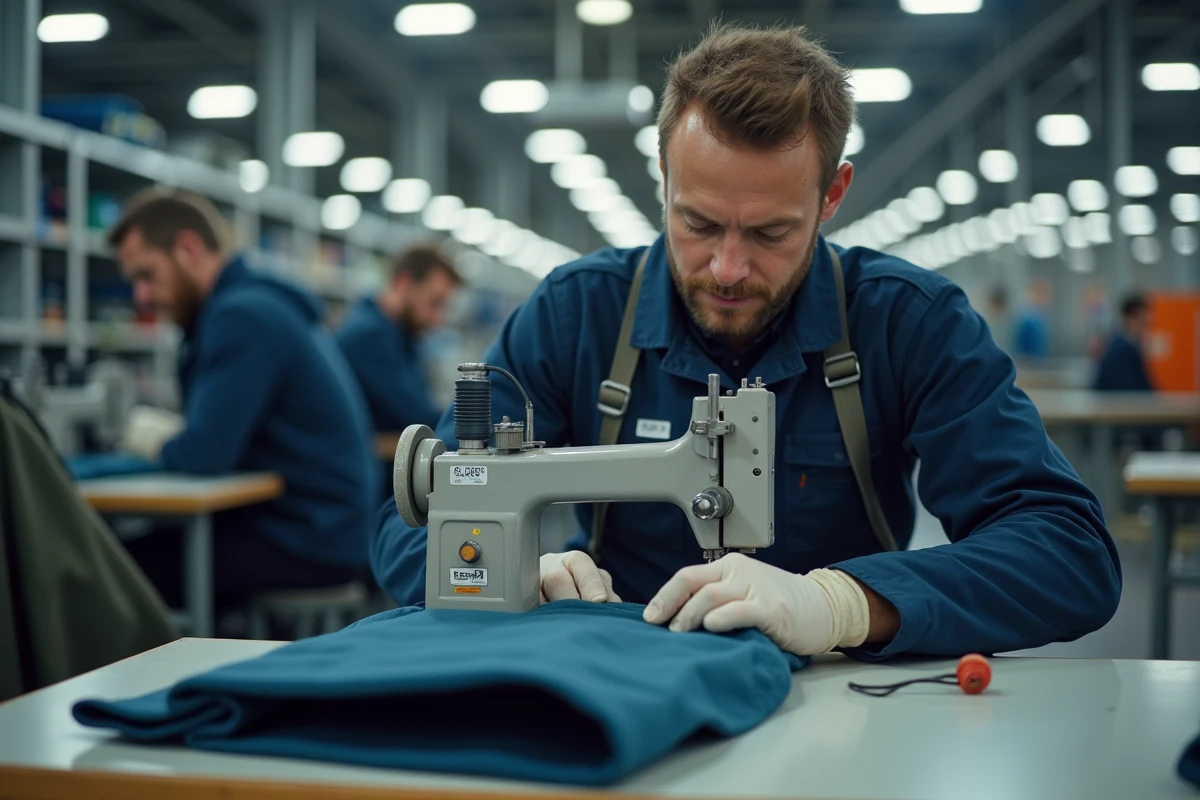
The question of where Eastpak bags are actually made does not have a single answer. Contrary to what the image of a historic American brand suggests, current production spans several countries, and the information varies depending on the product listings consulted. This article compares the available data on Eastpak’s manufacturing locations and breaks down the value chain behind this brand linked to the VF Corporation group.
Eastpak Manufacturing Countries: What Product Listings Show
Editorial content about Eastpak focuses on the brand’s history, its urban style, and its warranty. E-commerce listings, on the other hand, provide more concrete data on the actual origin of the products.
| Source of Information | Country or Entity Mentioned | Type of Data |
|---|---|---|
| Fnac Product Listing (Padded Pak’R) | Bangladesh | Country of Manufacture |
| Cdiscount Listing (Padded) | VF Apparel España, SLU | Manufacturer’s Legal Name |
| Official Eastpak Site | Not specified | No mention of production location |
| Competing Editorial Articles | Not specified | Focus on history and design |
This table highlights a notable discrepancy. The country of manufacture varies depending on the product and the retailer. The same model may display Bangladesh on one site and a Spanish legal entity on another, without the consumer being able to easily cross-reference this data.
To delve deeper into this issue, the origin of Eastpak bags according to Pulpe de Coton provides additional insights into the brand’s production channels.
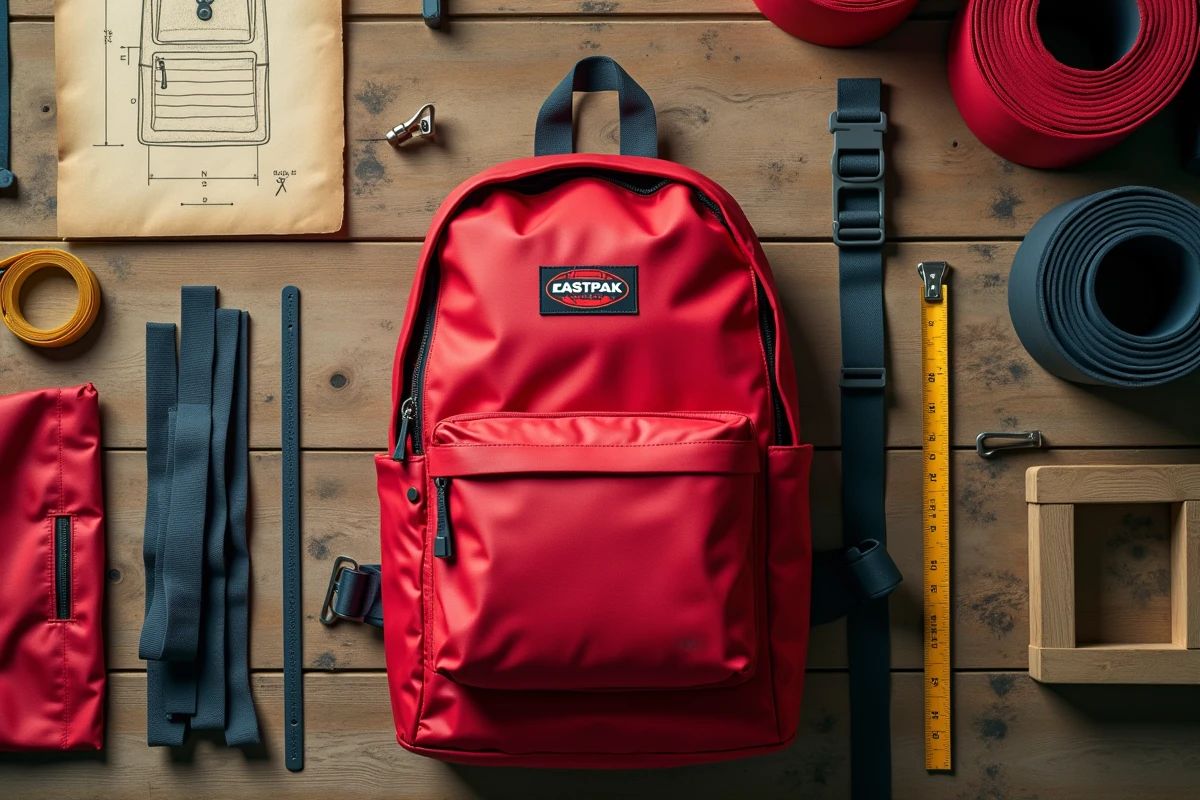
VF Corporation and the Eastpak Supply Chain
Eastpak is not an independent company. The brand belongs to VF Corporation, an American conglomerate that owns several dozen brands in luggage, textiles, and outdoor equipment. This structure partly explains why manufacturing traceability remains opaque from the consumer’s perspective.
The mention of VF Apparel España, SLU on certain French product listings indicates that European distribution is routed through a Spanish subsidiary. This legal entity presumably manages the importation and marketing for the eurozone, without implying that production occurs on Spanish soil.
Asian Manufacturing and Western Brand Image
The presence of Bangladesh among the manufacturing countries is not unusual for a luggage brand sold on a large scale. However, Eastpak does not communicate about its production sites in its marketing content. The official discourse revolves around sustainability, urban design, and warranty, never around the place of manufacture.
This deliberate silence creates a gap. The brand’s identity, founded in 1952 under the name Eastern Canvas Products by Monte Goldman, is based on an American heritage. The current industrial reality is one of globalized production, driven by the logistical decisions of a publicly traded group.
Eastpak Warranty and Sustainability: An Argument That Replaces Provenance
Recent comparisons position Eastpak as a brand whose value rests on product longevity, not on its geographic origin. The warranty, which can cover bags for a significantly longer period than the market average, is the main selling point.
- The Eastpak warranty covers manufacturing defects and extends over a period significantly longer than the average in the luggage market
- Usage tests in urban contexts (transport, offices, campuses) confirm high mechanical resistance for this price range
- Cordura fabric, used in many models, remains a recognized standard for abrasion resistance
Durability measured in years of use replaces the “made in” argument in Eastpak’s communication strategy. This positioning works for an audience looking for a reliable bag without necessarily caring about the assembly country.
Eastern Canvas Products: From the U.S. Army to Urban Backpack
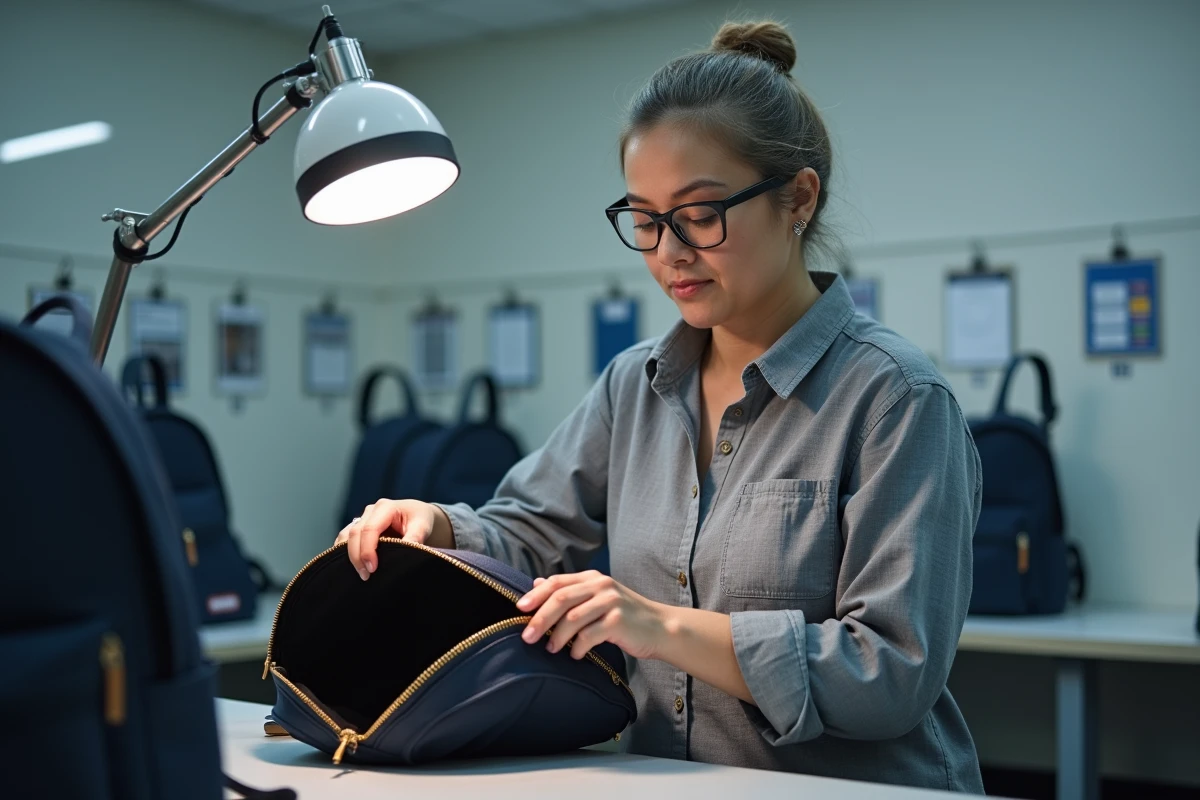
Monte Goldman founded Eastern Canvas Products in 1952 to manufacture bags and canvas gear for the U.S. Army. This military origin has permanently influenced the brand’s specifications: durability of seams, simplicity of design, and resistant materials.
The transition to the civilian market occurred gradually, with a repositioning towards student and urban backpacks. The Padded Pak’R model became the flagship product of this transition. The Padded Pak’R remains the best-selling and most recognizable model in the range, with its compact format and padded front pocket.
From American Canvas to Outsourced Production
The original manufacturing was done in the United States, using canvas. The acquisition by VF Corporation gradually integrated Eastpak into a globalized production network. No official source currently mentions American or European manufacturing of standard models.
Models resulting from collaborations (with luxury brands or designers) may follow different production circuits, but these limited editions represent only a marginal fraction of the catalog.
Reading Eastpak Labels: Where to Find Reliable Information
For a buyer who wants to know the exact place of manufacture of an Eastpak bag, the most reliable sources remain the physical labels sewn into the product and the technical sheets from authorized retailers.
- The interior label of the bag systematically mentions the country of final assembly (often a Southeast Asian country)
- The product listings of major online retailers (Fnac, Cdiscount) sometimes display the country of manufacture or the legal name of the manufacturer
- The official Eastpak site does not provide this information in its product descriptions
E-commerce listings provide more detailed information on provenance than the brand’s editorial content. This observation applies to most mainstream luggage brands, not just Eastpak.
Transparency about production locations remains a blind spot for Eastpak. As long as the long warranty and the reputation of Cordura fabric are sufficient to justify the price, the brand has no commercial incentive to detail its subcontracting chain. For the consumer, the label sewn into the bag remains, to this day, the most direct source.